




Itchy scalp rarely arrives with a warning, and lice can spread through close contact before you notice them. Treating the problem involves beyond applying a cleansing formula. A fine tooth comb adds an important physical step, helping remove lice and nits that remain in the hair after treatment. This makes head lice shampoo work alongside combing during thorough treatment.
Start with the shampoo
Read the product label prior to applying anything. Check the recommended age, application time, and instructions about rinsing. Apply the shampoo exactly as directed, covering the scalp and hair roots where lice stay close to the skin. Give the product enough contact time, then rinse as instructed. Avoid mixing several lice products during one session unless a healthcare professional advises it.
Choose the right comb
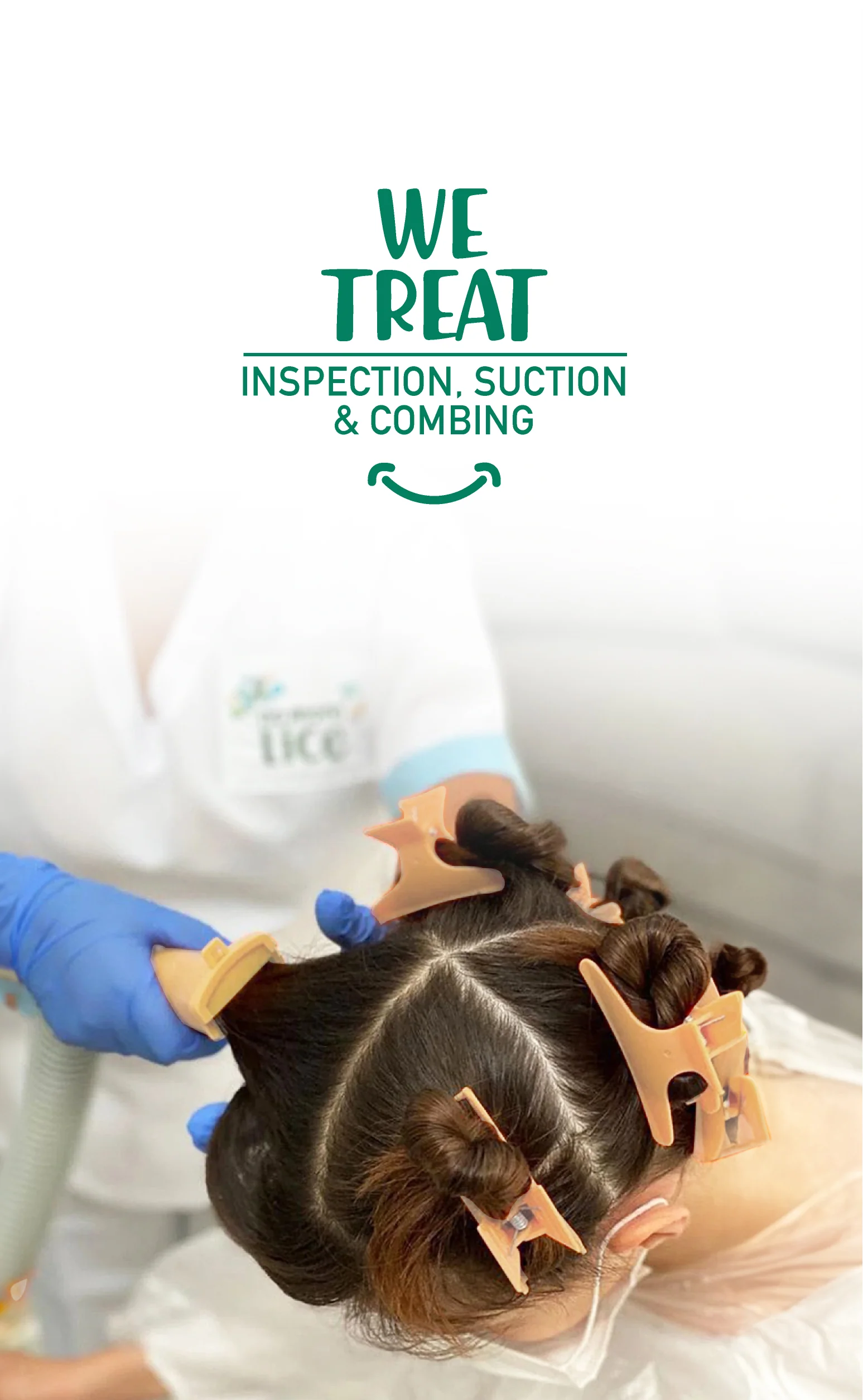
A sturdy fine toothed lice comb makes the next stage much easier. Wet the hair and add plenty of conditioner if the product instructions allow it. Divide the hair into small sections, then place the comb close to the scalp. Pull it slowly toward the ends, wiping the comb after each pass. Small sections help you inspect every area instead of rushing through thick hair.
Comb with patience
Work around the entire head, giving extra attention behind the ears and near the neckline. These spots can hide live lice and eggs. Use bright lighting so you can inspect the comb and hair clearly. Keep tissues or a washable cloth nearby, and clean the comb during the session. A calm pace helps children sit still and lets you spot tiny lice more easily.
Repeat the process
One treatment session may not remove every newly hatched louse, since some products do not kill every egg. Follow the label schedule when a second application appears on the instructions. Between treatments, regular combing helps remove lice and newly hatched insects. Avoid applying extra product simply because you spot a louse. Follow the stated directions and seek professional advice if live lice remain after correct treatment.
Finish with a routine
Check the hair again after treatment and keep combing sessions consistent. Wash or clean combs after use, and avoid sharing brushes, combs, hats, or hair accessories. Check close household contacts when exposure occurs, since lice spread through direct hair contact. Combining correct shampoo use with thorough combing gives families a clear routine that tackles both live lice and eggs. This routine also keeps treatment sessions organized.