


Strong construction starts with reliable materials, and aggregate ranks among the most widely used materials across building and infrastructure projects. These granular materials support concrete, roads, drainage systems, foundations, and many outdoor surfaces. Each type offers different qualities, sizes, and performance benefits, making material selection an important part of every project.
Learning about the main aggregate varieties helps builders select suitable materials for specific applications. Working with trusted aggregate suppliers in UAE also helps project teams source suitable grades for their work.
1. Crushed stone
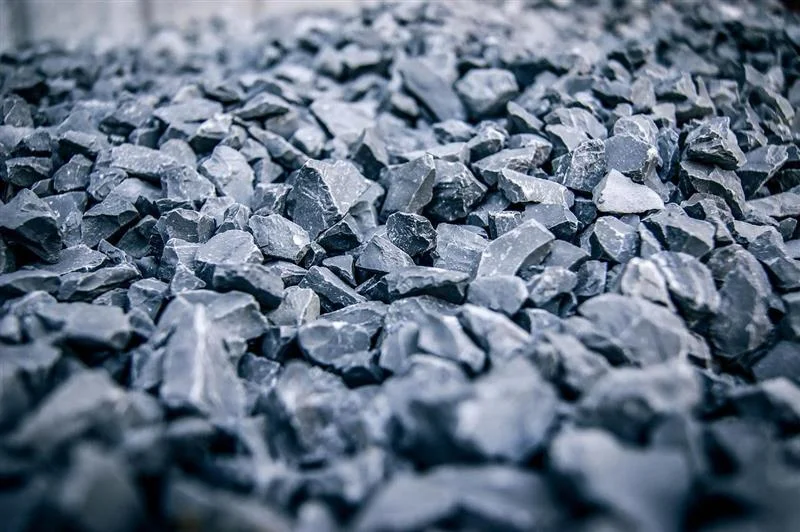
Crushed stone comes from large rocks that machines break into smaller pieces. Its angular shape allows strong compaction and firm interlocking. Builders use crushed stone for concrete production, road bases, driveways, drainage layers, and foundation support. Its strength makes it suitable for projects that face regular loads and pressure.
2. Gravel
Gravel contains rounded or naturally weathered stones in different sizes. Its loose structure allows water to pass through easily, making it useful for drainage systems and landscaping projects. Builders also use gravel for driveways, pathways, concrete mixes, and foundation beds. Larger gravel pieces provide solid support beneath various surfaces.
3. Sand
Sand features fine particles that fill small gaps between larger aggregate pieces. Concrete producers combine sand with cement, water, and coarse aggregate to form concrete mixes. Builders also use sand for masonry, plastering, bedding layers, and paving work. Its fine texture supports smooth finishes and stable mixtures.
4. Recycled aggregate
Recycled aggregate comes from processed concrete, masonry, and other construction materials. Recycling these materials reduces waste and gives old materials another practical purpose. Builders use recycled aggregate for road bases, filling, drainage layers, and selected concrete applications. Proper processing and grading help achieve consistent performance.
5. Slag aggregate
Slag aggregate comes from metal production processes and offers strong performance for demanding construction applications. Its durability and resistance to wear make it suitable for road construction, concrete mixtures, and heavy duty surfaces. Engineers select suitable slag grades based on project specifications and performance targets.
6. Lightweight aggregate
Lightweight aggregate uses materials such as expanded clay, shale, or slate to produce a lower density material. Builders use it in lightweight concrete, roof systems, structural fills, and insulation applications. It’s reduced weight helps lower the overall load placed on structural elements while maintaining useful strength.